
COMMUNITY VOICES · GUEST OPINION · HUMAN RIGHTS
By Douglas Vandergraph
A refugee settlement can mark the end of one dangerous journey without marking the end of fear. A mother may have reached a place where her family can sleep, yet still worry about finding water, the next meal, a safe route to medical care, or whether her children can return to school. To call that family protected, we need to look beyond the fact that it has reached a place of refuge.
In a briefing on 9 October 2026, the United Nations Refugee Agency warned that nearly four million people had been uprooted across Burkina Faso, Mali and Niger. Its figures included more than 818,000 refugees and asylum-seekers. Within Mali, UNHCR reported that approximately 86,000 refugees from Burkina Faso had sought safety in Koro, in the Bandiagara region, as of July. The agency identified more than 14,000 children and 6,000 women within that population as facing particular risks.
Those numbers describe categories of humanitarian concern, not a judgment about every woman’s vulnerability or every child’s experience. The risks confronting one family may differ from another’s. Some caregivers are looking after infants, others are supporting older relatives, and many people who need help also possess skills and knowledge that can strengthen a community.
The pressure on Koro’s host population is significant. The new arrivals were approaching the size of the local community, while land, water, health services and livelihood opportunities were already limited. A response that ignores residents who have stayed in place may leave both groups more anxious about the future. It is possible to uphold the rights of refugees and acknowledge the constraints facing the people who receive them.
I write from Colorado in the United States, not from Koro. I have not visited the settlement or interviewed people living there. Malian communities, Burkinabè refugees and those providing frontline services must guide the specific choices that affect them. I offer a reflection on a principle that should travel across borders: safety is not complete when a person cannot use it to live with dignity.
In Luke’s Gospel, Jesus tells a story about a widow who repeatedly asks a judge for justice. The judge’s reluctance does not cancel the legitimacy of her request. I hear in this parable a warning against systems that require vulnerable people to keep proving that they deserve attention. It does not mean that an individual woman’s situation in the Bible is identical to the experience of a displaced woman in the Sahel. It asks me to consider whether my own response to another person’s plea is patient and fair.
Access to water shows why a basic service is also a question of protection. A household that must travel a long or unsafe distance to collect water faces more than inconvenience. Age, disability and responsibility for small children can make the journey especially demanding. When planners decide where water points should be placed and how they will be maintained, the people using them should have meaningful opportunities to speak.
The same applies to health care. A clinic may be marked on a service map, but distance, cost, staffing and supplies determine whether it can help. A parent who seeks treatment for a sick child should receive accurate information and a safe referral, not only reassurance. The work of humanitarian professionals is essential and should be supported rather than replaced by unqualified volunteer promises.
Education deserves a place in this conversation because displacement may interrupt a child’s learning for months or years. Schools need trained teachers, usable classrooms and arrangements that respect different learning histories. Host-community pupils should not be made to feel that support for refugee children has come at their expense. Strengthening shared education services can be a practical expression of solidarity when resources permit.
Protection also requires listening to women and girls without treating them merely as numbers in an assessment. Confidential ways to report abuse and seek assistance are important. Survivors must never be pressured to share identifying details for a public campaign. Their privacy and decisions should matter more than the dramatic power of a story.
Early recovery and livelihood projects may help families regain agency, but their outcomes should be described honestly. UNHCR’s October briefing mentions efforts in Burkina Faso to support production and income. Such examples show possibilities; they do not prove that the overall crisis has been solved. An initiative can benefit some families while others still face urgent unmet needs.
Faith communities have a role when they offer appropriate practical help, support trained local partners and refrain from spreading rumours. My own Christian conviction gives me responsibilities; it does not give me a claim over anyone else’s beliefs. Food, water, schooling, protection and fair treatment must never be offered as inducements to join a religion.
Displacement in the Central Sahel results from a combination of violence, insecurity, climate shocks and weakened livelihoods. No single community project can remove all those pressures. Civilians need protection, and those responsible for abuses must face legitimate accountability. Meanwhile, local organisations and public services need reliable support that can outlast the attention given to one international news briefing.
I pray for the families in Koro, for Burkinabè people who long to live safely, for Malian neighbours sharing stretched resources, and for the workers trying to make protection meaningful. I pray that women and children will be heard without being exposed to further danger, and that decisions will be made with those affected rather than simply announced to them.
A safe place to sleep is a necessary beginning. But a child must also be able to learn, a caregiver must be able to seek treatment, and a family must be able to imagine the next season without fear. The work of peace is to make those ordinary possibilities real.
Source
UNHCR, “UNHCR calls for urgent investment as displacement crisis deepens across Central Sahel”, 9 October 2026.
About the Author
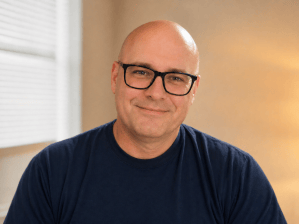
Douglas Vandergraph is a Christian writer and Bible teacher based in Fort Collins, Colorado, United States. His work connects the teachings of Jesus with human dignity, justice, peace, and practical compassion.
Guest contributions reflect the views of their authors. Published by TUBUO Writes following editorial review.



Leave a Reply